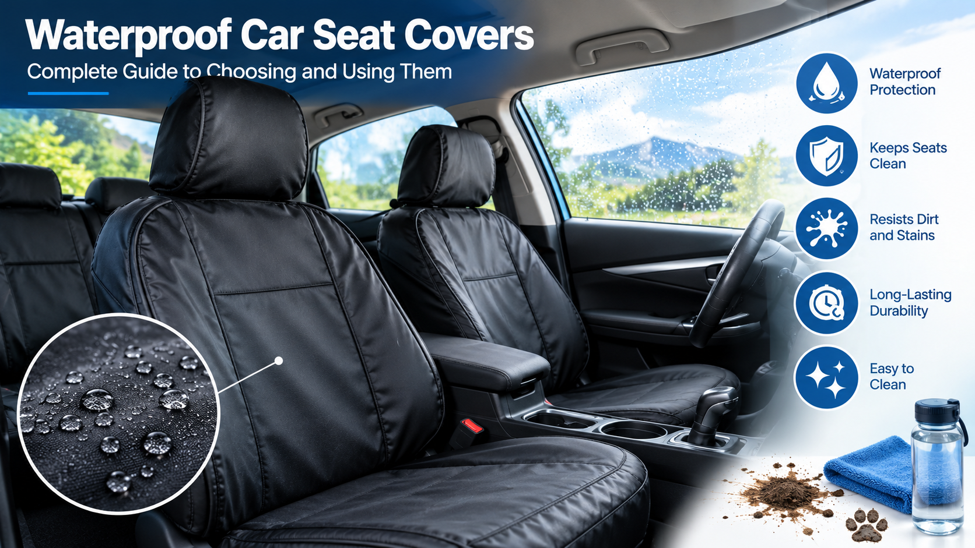
Introduction
Waterproof Car Seat Covers are designed to protect vehicle seats from water, spills, dirt, mud, stains, and everyday wear. They create a protective barrier over the original upholstery, making it easier to keep your car interior clean and in good condition. However, not every waterproof cover offers the same level of protection, comfort, or durability. Material, fit, construction, cleaning requirements, and safety compatibility all matter when choosing the right option. In this complete guide, we explain how waterproof seat covers work, their benefits and limitations, the best materials, installation methods, maintenance tips, and how to choose the right covers for your vehicle.
What Are Waterproof Car Seat Covers?
Waterproof car seat covers are protective coverings designed to create a barrier between the vehicle seat and liquids. They are made from materials or combinations of materials that help prevent water and other liquids from reaching the original upholstery.
They can protect seats from rainwater, spilled drinks, wet clothing, food, mud, and pet-related messes.
How Do They Protect Car Seats?
The cover sits over the original upholstery and provides an additional protective layer. When liquid is spilled, the cover helps stop it from soaking directly into the seat.
A properly fitted cover can also reduce exposure to dirt, dust, food particles, pet hair, and stains.
Difference Between Waterproof and Water-Resistant Covers
A waterproof cover is designed to prevent water from passing through the material under its intended conditions.
A water-resistant cover can repel or resist water but may allow moisture to pass through after prolonged exposure or heavy contact.
If your main concern is frequent spills or wet conditions, a properly constructed waterproof cover provides a stronger moisture barrier.
How Do Waterproof Car Seat Covers Work?
The performance of a seat cover depends on its material, protective layers, seams, and overall construction.
Waterproof Materials
Common materials include neoprene, coated polyester, PVC, and other synthetic fabrics. Each material offers a different combination of water protection, flexibility, durability, and comfort.
The best option depends on your climate and how you use your vehicle.
Protective Layers and Coatings
Some covers use waterproof coatings or multiple layers to prevent moisture from passing through the material. These coatings may also improve resistance to stains and dirt.
Always check the manufacturer’s specifications because waterproof performance differs between products.
Seams and Stitching
The main fabric may be waterproof, but seams and stitching can create areas where water may enter. Zippers, openings, and attachment points can also affect protection.
For better performance, look for well-constructed seams and a design that provides good coverage around the seat.
Benefits of Waterproof Car Seat Covers
Protect Seats From Water and Spills
One of the main purposes of these covers is to protect upholstery from liquids. They can help reduce the impact of spilled drinks, rainwater, wet clothing, and other moisture.
Help Prevent Stains
A seat cover can act as a barrier between the original upholstery and substances such as coffee, juice, food, and mud. Cleaning the cover quickly can help prevent permanent stains.
Protect Against Dirt and Mud
If you regularly travel on unpaved roads or work outdoors, dirt and mud can quickly make car seats dirty. A protective cover provides an additional layer that is easier to remove and clean.
Make Cleaning Easier
Many waterproof covers can be wiped clean or removed for washing. This can make regular seat maintenance easier than cleaning the original upholstery.
Help Preserve the Original Seats
Protecting the original seats from moisture, stains, dirt, and excessive wear can help keep the interior cleaner and in better condition.
Are Waterproof Car Seat Covers Completely Waterproof?
Not always. The word “waterproof” generally refers to the intended water protection of the product, but the entire design determines how much protection you actually get.
What “Waterproof” Means in Practice
A good waterproof cover should prevent liquid from passing through its main protective surface under normal intended use.
However, protection can be reduced by damage, incorrect installation, excessive exposure, or uncovered areas.
Why Seams and Openings Matter
Water can enter through seams, stitching, zippers, gaps, or areas that are not covered. A loose-fitting cover may also leave parts of the seat exposed.
When Water Can Still Reach the Seat
Water may reach the upholstery if the cover has holes, damaged seams, large openings, or poor coverage. Heavy spills can also flow around the edges if the cover is not designed to contain them.
Inspect the cover regularly to make sure it remains in good condition.
Waterproof vs. Water-Resistant Car Seat Covers
Both types can provide useful protection, but their intended level of moisture resistance differs.
| Feature | Waterproof | Water-Resistant |
| Water protection | Higher | Moderate |
| Spill protection | Strong | Moderate |
| Extended moisture exposure | Better suited | More limited |
| Cleaning | Usually easy | Depends on material |
| Best use | Wet and messy conditions | Everyday light protection |
For frequent exposure to water, a waterproof design is generally more suitable. For occasional spills and basic protection, a water-resistant cover may be enough.
Best Materials for Waterproof Car Seat Covers
Neoprene
Neoprene is a flexible synthetic material known for water resistance and durability. It can provide a snug and comfortable fit when properly designed for vehicle seats.
However, thicker materials may retain more heat in warm weather.
Polyester
Polyester is lightweight, durable, and widely used in automotive seat covers. It can be treated with coatings that improve water resistance.
It is available in many designs and thicknesses, making it suitable for different driving conditions.
PVC and Synthetic Materials
PVC and similar synthetic materials can provide strong resistance to water and stains.They are usually simple to clean with a damp cloth.
The main consideration is comfort because some synthetic materials may feel less breathable than fabric-based alternatives.
Waterproof Fabric Blends
Some covers combine different fabrics and protective coatings to balance water protection, flexibility, comfort, and durability.
Check the product specifications to understand the materials and care requirements before purchasing.
How to Choose the Right Waterproof Car Seat Covers
Check Vehicle Compatibility
Make sure the cover is designed for your vehicle’s seat shape and configuration. Universal covers can fit many vehicles, while custom-fit covers are designed for specific models.
A proper fit helps prevent movement and improves coverage.
Consider the Material
Choose the material according to your climate, driving habits, and comfort needs. If you live in a hot area, breathability should be an important consideration.
Check Waterproof Protection
Look for clear information about the product’s water protection. Consider whether you need protection from occasional spills, rain, pets, or frequent outdoor use.
Look for Secure Fitting
Straps, buckles, hooks, elastic sections, and other fastening systems can help keep the cover in place.
The cover should remain secure without interfering with normal seat adjustments.
Consider Comfort and Breathability
A waterproof material is not automatically comfortable. If you spend long periods driving, choose a design that provides a reasonable balance between protection, softness, and airflow.
Check Cleaning Requirements
Some covers can be wiped clean, while others can be removed and washed.
Follow the manufacturer’s cleaning instructions to avoid damaging the material or its protective coating.
Consider Airbag Compatibility
This is an important safety consideration. Some vehicles have airbags built into the sides of their front seats.
Use covers specifically designed to be compatible with your vehicle’s seat-mounted airbags where applicable. Do not install a cover that blocks or interferes with an airbag deployment area.
Are Waterproof Car Seat Covers Good for Everyday Use?
Yes, they can be suitable for everyday driving when they are comfortable, correctly fitted, and appropriate for the vehicle.
Comfort for Daily Driving
For daily use, choose a cover that does not move excessively or create uncomfortable pressure points. The material should also be suitable for your local climate.
Protection From Spills and Weather
Everyday drivers may benefit from protection against drinks, food, rain, wet clothing, and other common sources of moisture.
Breathability Considerations
Some waterproof materials allow less airflow than standard fabric. This can make seats feel warmer, especially during hot weather.
When They May Not Be the Best Choice
A cover may not be suitable if it fits poorly, causes excessive heat, interferes with seat controls, or is incompatible with important safety features.
Waterproof Car Seat Covers for Different Weather Conditions
Rainy Weather
Rain can enter the vehicle through wet clothing, umbrellas, shoes, and open doors. Waterproof covers help keep this moisture away from the original upholstery.
Hot and Humid Weather
Hot conditions can make some waterproof materials uncomfortable. Consider breathable designs and materials that do not retain excessive heat.
Snow and Cold Weather
Wet snow can introduce a large amount of moisture when it melts. Waterproof covers can help protect seats from wet clothes, boots, and outdoor equipment.
Dusty and Muddy Conditions
Drivers who frequently travel on dirt roads can benefit from covers that resist both moisture and dirt. Easy-clean materials are particularly useful in these conditions.
How to Install Waterproof Car Seat Covers
Proper installation helps the cover remain secure and provide consistent protection.
- Prepare the seats: Remove loose items and clean the seats if necessary.
- Identify each cover: Match each cover with the correct front or rear seat.
- Fit the covers: Place the covers over the seats and align them correctly.
- Secure straps and fasteners: Attach all provided straps, hooks, buckles, or fasteners.
- Check the final fit: Make sure the cover is secure and not excessively loose or folded.
- Check safety features: Ensure seat belts, controls, headrests, and required airbag areas are not obstructed.
Always follow the manufacturer’s installation instructions if they differ from these general steps.
How to Clean and Maintain Waterproof Car Seat Covers
Remove Dirt and Debris
Remove loose dirt, dust, and debris regularly. A vacuum or suitable soft brush can help with routine cleaning.
Clean Spills Quickly
Wipe up liquid spills as soon as possible. Quick cleaning reduces the chance of stains and limits prolonged moisture exposure.
Follow the Manufacturer’s Cleaning Instructions
Different materials require different cleaning methods. Use only products and methods recommended by the manufacturer.
Dry Covers Properly
Allow cleaned covers to dry completely according to the manufacturer’s instructions before using them again. Avoid storing damp covers.
Inspect for Damage
Check regularly for holes, tears, loose stitching, damaged fasteners, and worn areas. Damaged covers may no longer provide the same level of protection.
Common Problems With Waterproof Car Seat Covers
Poor Fit
A poorly fitted cover can move around, expose parts of the seat, and become uncomfortable.
Reduced Breathability
Some waterproof materials provide less airflow than ordinary fabric, which may affect comfort.
Heat Retention
Thick synthetic materials can retain heat, especially when the vehicle is parked in direct sunlight.
Water Entering Through Seams
Water may enter through poorly constructed or damaged seams even when the main material is waterproof.
Cover Slipping or Moving
Insufficient fastening can cause a cover to shift during driving. Correct sizing and proper installation can help reduce this problem.
How Long Do Waterproof Car Seat Covers Last?
There is no fixed lifespan because durability depends on the product and how it is used.
- Material quality: Better materials and construction can withstand regular use more effectively.
- Frequency of use: Daily use generally creates more wear than occasional use.
- Exposure to sunlight and heat: UV exposure and high temperatures can affect some materials over time.
- Cleaning and maintenance: Correct cleaning can help extend the useful life of a cover.
- Signs of replacement: Consider replacing covers with major tears, damaged seams, broken fasteners, severe fading, or persistent water leakage.
Waterproof Car Seat Covers vs. Regular Seat Covers
| Feature | Waterproof Seat Covers | Regular Seat Covers |
| Water protection | High, depending on design | Usually limited |
| Spill protection | Stronger | Varies |
| Cleaning | Often easy | Depends on material |
| Comfort | Depends on construction | Wide range |
| Weather protection | Better suited | Basic to moderate |
| Dirt protection | Good | Good |
If water and spills are major concerns, waterproof protection can be useful. If your main goal is appearance or basic upholstery protection, a regular cover may be sufficient.
Are Waterproof Car Seat Covers Worth Using?
Waterproof covers can be useful for people who regularly deal with spills, rain, pets, children, muddy clothing, or outdoor activities.
Who Can Benefit From Them?
They can be particularly useful for:
- Families with children
- Pet owners
- Outdoor workers
- Drivers in rainy areas
- People who frequently travel on muddy roads
- Drivers who want additional protection for original upholstery
Situations Where They Are Especially Useful
They are most useful when vehicle seats are frequently exposed to moisture, dirt, food, drinks, pets, or wet clothing.
Important Features to Check Before Buying
Before purchasing, check:
- Vehicle compatibility
- Seat dimensions
- Waterproof construction
- Material quality
- Secure fastening
- Comfort and breathability
- Cleaning requirements
- Airbag compatibility
- Manufacturer’s installation instructions
Frequently Asked Questions
Are waterproof car seat covers really waterproof?
They are designed to prevent water from passing through the protective material, but actual protection depends on the material, seams, openings, fit, and condition of the cover.
Do waterproof seat covers protect against spills?
Yes. A properly designed cover can help prevent spilled liquids from reaching the original upholstery. Cleaning spills quickly provides additional protection.
Can waterproof seat covers be washed?
Some can be washed, while others are intended for wiping or spot cleaning. Always follow the manufacturer’s care instructions.
Are waterproof car seat covers comfortable?
Comfort depends on the material, thickness, design, and climate. Some are soft and flexible, while others may feel warmer or less breathable.
Do waterproof seat covers work in hot weather?
They can be used in hot weather, but some materials may retain heat. For warm climates, look for a design that balances water protection with breathability.
How do I choose the right size seat cover?
Check your vehicle’s make, model, year, seat configuration, and the manufacturer’s sizing information. The cover should fit securely without obstructing important vehicle features.
Can waterproof seat covers damage car seats?
A properly designed and installed cover should not normally damage the upholstery. However, trapped moisture, poor fit, abrasive materials, or incorrect installation can cause problems.
How often should waterproof seat covers be cleaned?
Clean them whenever they become dirty or after significant spills. Frequent users may need to clean them more often, especially when exposed to mud, food, pets, or moisture.
Final Thoughts
Waterproof car seat covers provide a practical way to protect vehicle seats from water, spills, dirt, mud, and everyday stains. Their effectiveness depends on the quality of the material, construction, fit, and maintenance.
When choosing a cover, focus on vehicle compatibility, waterproof protection, secure fitting, comfort, cleaning requirements, and safety compatibility. The right cover can make seat maintenance easier while helping keep the original upholstery cleaner and better protected.